Resource
Where Are Teachers Allowed to Join Social Security? A State-by-State Guide

Do teachers get Social Security? Not always.
In fact, more than one million teachers across the country are not able to enroll in both Social Security and their teacher pensions.
Where Can Teachers Join Social Security?
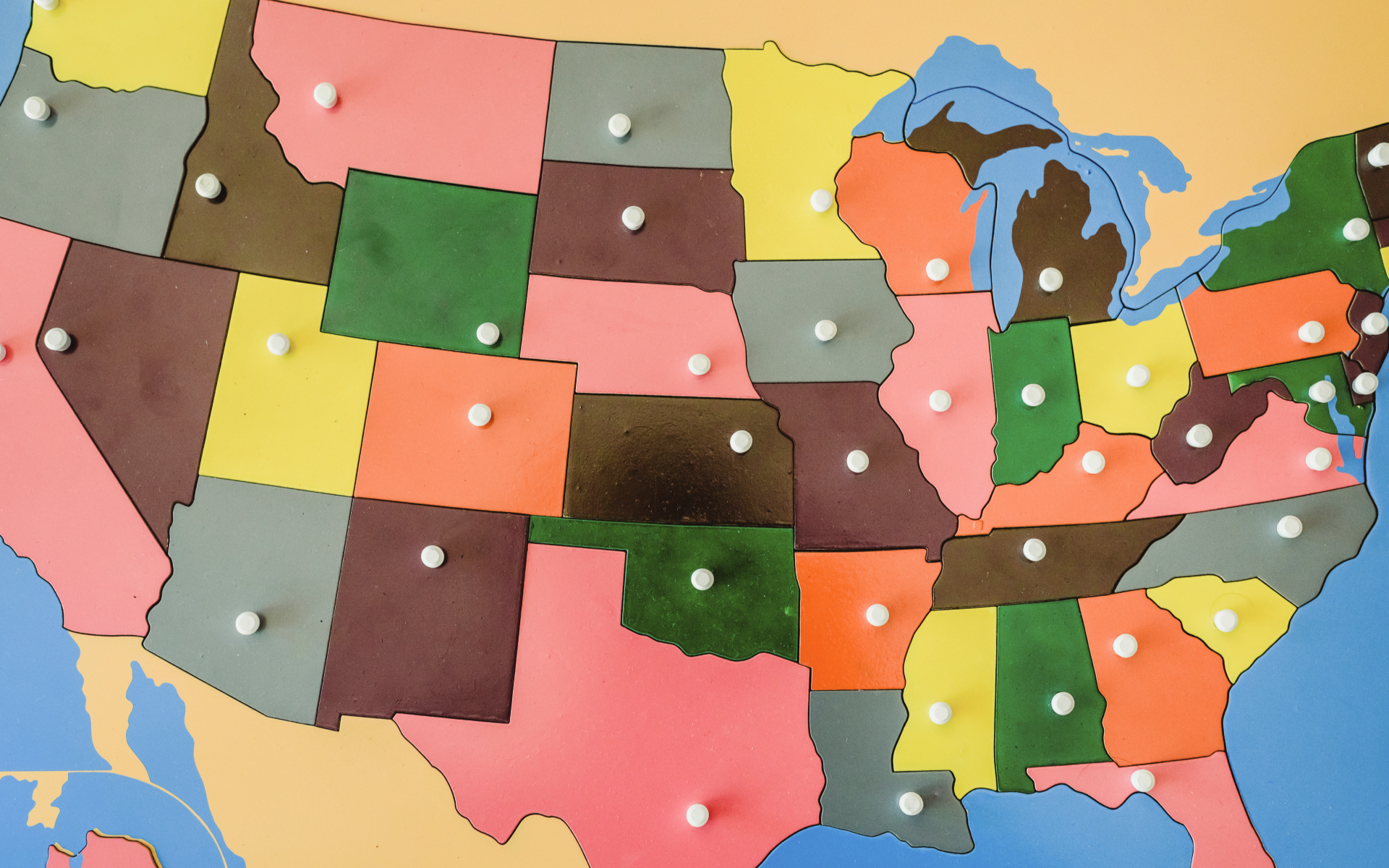
Note that the map above only reflects Social Security participation for teachers and educators. For a map of participation coverage for state, municipal, and public safety workers, see Where Are State & Local Workers Allowed to Join Social Security?
In 33 states, teachers are able to participate. However, there are nine states, including the District of Columbia, that have totally opted out of Social Security. Another nine states have school districts with mixed coverage (because some districts have opted in, and others have opted out).
Why? When Congress created Social Security in 1935, it excluded state and local workers because of constitutional concerns that the federal government could not tax states and municipalities. In the 1950s, Congress amended the Social Security Act to allow, but not require, state and local governments to enroll their employees. Most states opted in, but more than one third of the country’s teachers live in states that didn’t, resulting in their lack of coverage today.