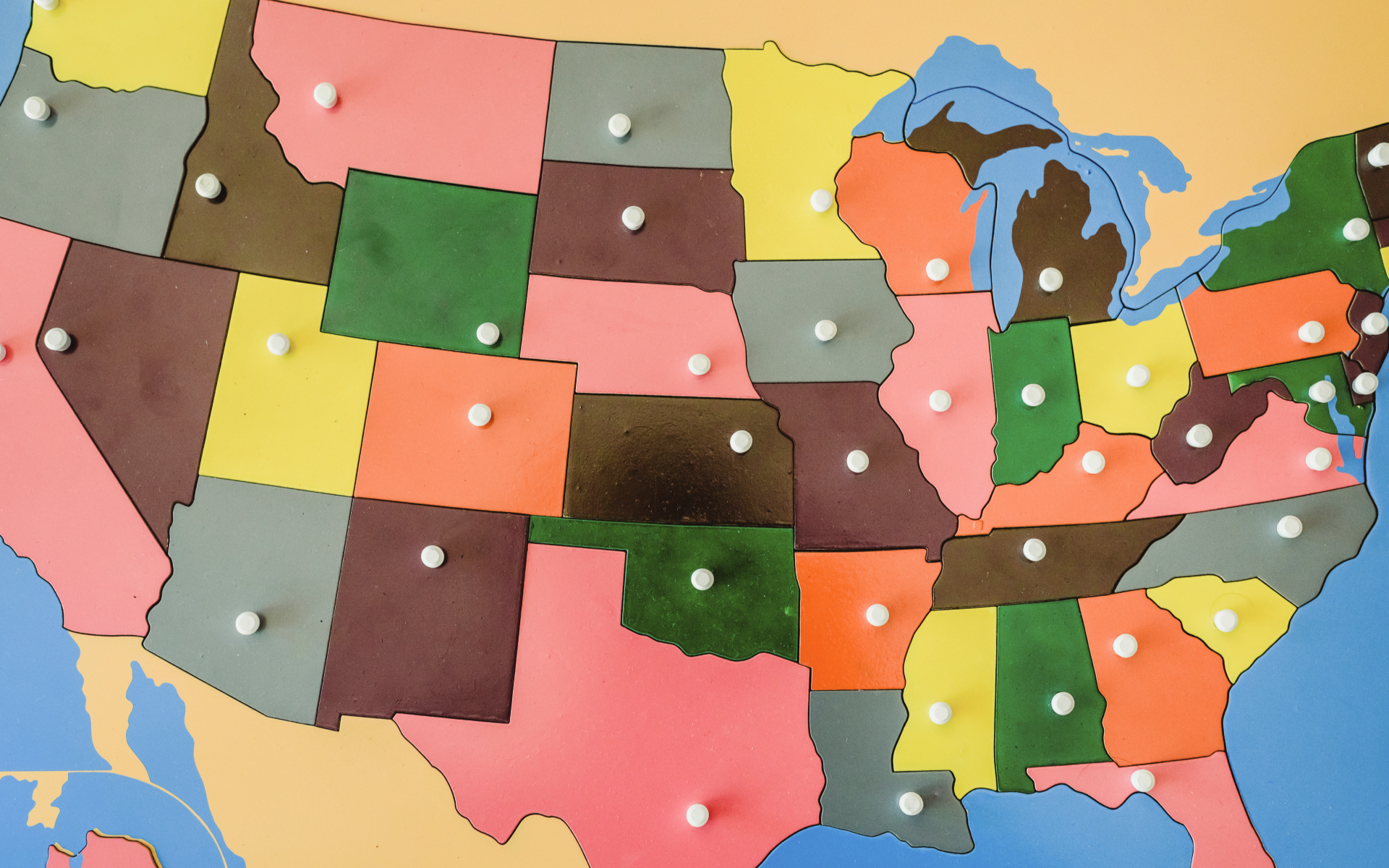
Millions of state agency workers, municipal employees, and police and firefighters across the country do not participate in Social Security.
Note that the map above only reflects participation in Social Security and a pension for state, municipal, and public safety employees. For a map of participation coverage for teachers, which is slightly different, see Where Are Teachers Allowed to Join Social Security?
In 28 states, state and local workers are enrolled in Social Security, while four states have totally opted out of allowing these workers to collect both Social Security and a pension:
- Alaska
- Massachusetts
- Nevada
- Ohio
Another 18 states have allowed local employers to choose whether or not they participate:
- California
- Colorado
- Connecticut
- Florida
- Georgia
- Idaho
- Illinois
- Louisiana
- Maine
- Michigan
- Minnesota
- Mississippi
- Missouri
- North Dakota
- Pennsylvania
- Rhode Island
- Tennessee
- Texas
In some states, most police participate in Social Security, but firefighters do not. In other states, it is the reverse. And in some states, Social Security laws shift from city to city and county to county.
Why? When Congress created Social Security in 1935, it excluded state and local workers because of constitutional concerns that the federal government could not tax states and municipalities. In the 1950s, Congress amended the Social Security Act to allow, but not require, state and local governments to enroll their employees. Most states opted in, but some states didn’t, and other states left it up to local employer units to choose participation, resulting in their lack of coverage today.